RU EN

Custom Business Application Development on Angular + NestJS Stack


When is custom software development necessary for your business?

Your business has a complex and unique logic
In 2001
In 2001, Sanatel obtained its telephony license.
In 2016
In 2016, Sanatel developed the OLAPseek BI solution.
In 2020
In 2020, Sanatel built the iChat messaging platform.

Application Development


When is custom software development necessary?

Today, there are many off-the-shelf template solutions that allow businesses to quickly get a tool for relatively little money. Why build custom software, then?

Let's examine when custom software development is the right choice:

Your business has a complex and unique logic: There simply is no off-the-shelf product on the market that does exactly what you need, the way you need it. Custom software development is the optimal way to address your specific goals.

You operate in a niche market or offer a unique product: In such environments, finding a ready-made platform can be difficult, whereas custom development accounts for all your requirements and workflows.

It is hard to find a SaaS solution that fits: Often, ready-made plans lack essential features you need while bundling unnecessary ones you end up paying for. Custom software development easily eliminates this issue.

Your business is growing and evolving: Or aiming to do so. A custom product allows you to architect scalable solutions for future growth, so you won't have to buy entirely new software versions at every stage of expansion.

You require multiple integrations: Modern businesses rely on a suite of tools to automate operations. Integrating these systems streamlines processes and accelerates daily workflows.

Our Team


The Sanatel team consists of highly qualified IT specialists with extensive experience in Enterprise-level projects. Our team has delivered projects in sales automation, customer communications, contact centers, live chat platforms, rule-based chatbots, and speech analytics integration. Our combined expertise ensures we can handle tasks of any complexity.

Sanatel Team

Development Process


Project Initialization

First, we set up a staging environment. Based on the client's current workflows, we align on a release policy: defining who deploys releases and hotfixes to production servers. If the client doesn't have Git repositories, we set them up. Development is conducted in our version control system, and final deliverables are transferred to the client's Git repository.

Releases

Our development team conducts regular releases and product demos. We thoroughly test new features at every stage—both individually and to assess their impact on the overall product performance. Typically, the client's QA team participates as well. When introducing major functional modules, we host demo sessions and refine the system based on feedback.

Reporting

All tasks and hours logged by the dedicated team are tracked in our project management system. Weekly status meetings keep stakeholders aligned. On a monthly basis, we prepare a detailed report covering all work delivered by the dedicated team.

Team Structure & Roles


Project Manager

Communicates directly with the client, gathers business requirements, manages project timelines, coordinates team workflows, and presents final deliverables.

Business Analyst

Analyzes automation needs, maps out business process workflows, drafts functional requirement specifications, and validates that the developed solution satisfies all business objectives.

Frontend Developer

Builds responsive, intuitive user interfaces based on UI/UX design mockups tailored to client specifications.

Backend Developer

Develops core application logic, custom modules, and reporting features. Architects RESTful APIs, handles third-party integrations, and optimizes complex backend data flows.

System Administrator / DevOps

Maintains development and staging environments, configures server infrastructures, and manages reliable data exchange between systems and microservices.

Pricing Models


Fixed Price

We prepare a detailed scope of work with a fixed price and timeline, factoring in potential risks. You know the exact cost upfront. Any additions or scope changes are approved and billed separately via change requests. This model requires comprehensive technical specifications outlining all user stories, data structures, and edge cases—making it ideal for well-defined, large-scale projects.

Time & Material

We agree on fixed hourly rates for developers and team specialists. Development is broken into sprints (typically 2-4 weeks). At the end of each billing period, you are invoiced for the actual hours worked. New features are given preliminary estimates that may be refined during development. This approach reduces contract negotiation overhead and provides full flexibility to tackle both core functionality and evolving requirements.

What is Angular?


Angular is an open-source web application framework maintained by Google. Originally introduced in 2010 as AngularJS, the framework has evolved continuously in architecture, syntax, and performance to integrate seamlessly with the modern JavaScript ecosystem.

Angular excels at building Single Page Applications (SPAs). Its Model-View-Controller (MVC) architecture simplifies development, testing, and long-term maintenance, ensuring applications scale effortlessly as user demands grow.

Built on TypeScript, Angular provides strong typing, improved code readability, compile-time error detection, and self-documenting code bases.

Angular Development

Key Advantages of Angular


Comprehensive Documentation. Developers can easily find official solutions, guidelines, and API references to resolve technical challenges quickly.

Backed by Google. Google's long-term commitment to Angular guarantees continuous updates, high security standards, and enterprise-grade framework reliability.

Rich Ecosystem. The widespread adoption of Angular has produced thousands of battle-tested third-party UI libraries, tools, and extensions to accelerate feature development.

Component-Based Architecture. Angular divides applications into independent, reusable functional components. These isolated building blocks simplify unit testing, reduce code duplication, and streamline team collaboration.

Ahead-of-Time (AOT) Compiler. AOT compiles HTML templates and TypeScript into efficient JavaScript during the build process before the browser downloads it. This results in significantly faster rendering speeds and improved security over JIT compilation.


Angular Universal (SSR). Enables server-side rendering of HTML templates, boosting application SEO indexing by search engine crawlers while delivering faster initial page loads on mobile devices.

Powerful CLI Tools. The Angular Command Line Interface automates project setup, code scaffolding, build configurations, and execution of unit and end-to-end tests through simple terminal commands.

Ivy Rendering Engine. Ivy optimizes JavaScript bundle sizes using tree-shaking algorithms to remove unused code automatically, resulting in ultra-fast web application loading times.

Who Needs Angular Applications?


Enterprise Web Applications. TypeScript provides strict typing, intelligent code completion, and advanced refactoring tools required for complex, large-scale enterprise platforms built to last.

Dynamic Content Platforms. Designed specifically for Single Page Applications (SPAs), Angular provides robust state management tools for platforms where content updates dynamically based on user interactions.

Progressive Web Applications (PWAs). Angular simplifies transforming standard web solutions into fast, installable, offline-capable Progressive Web Apps that deliver app-like user experiences.

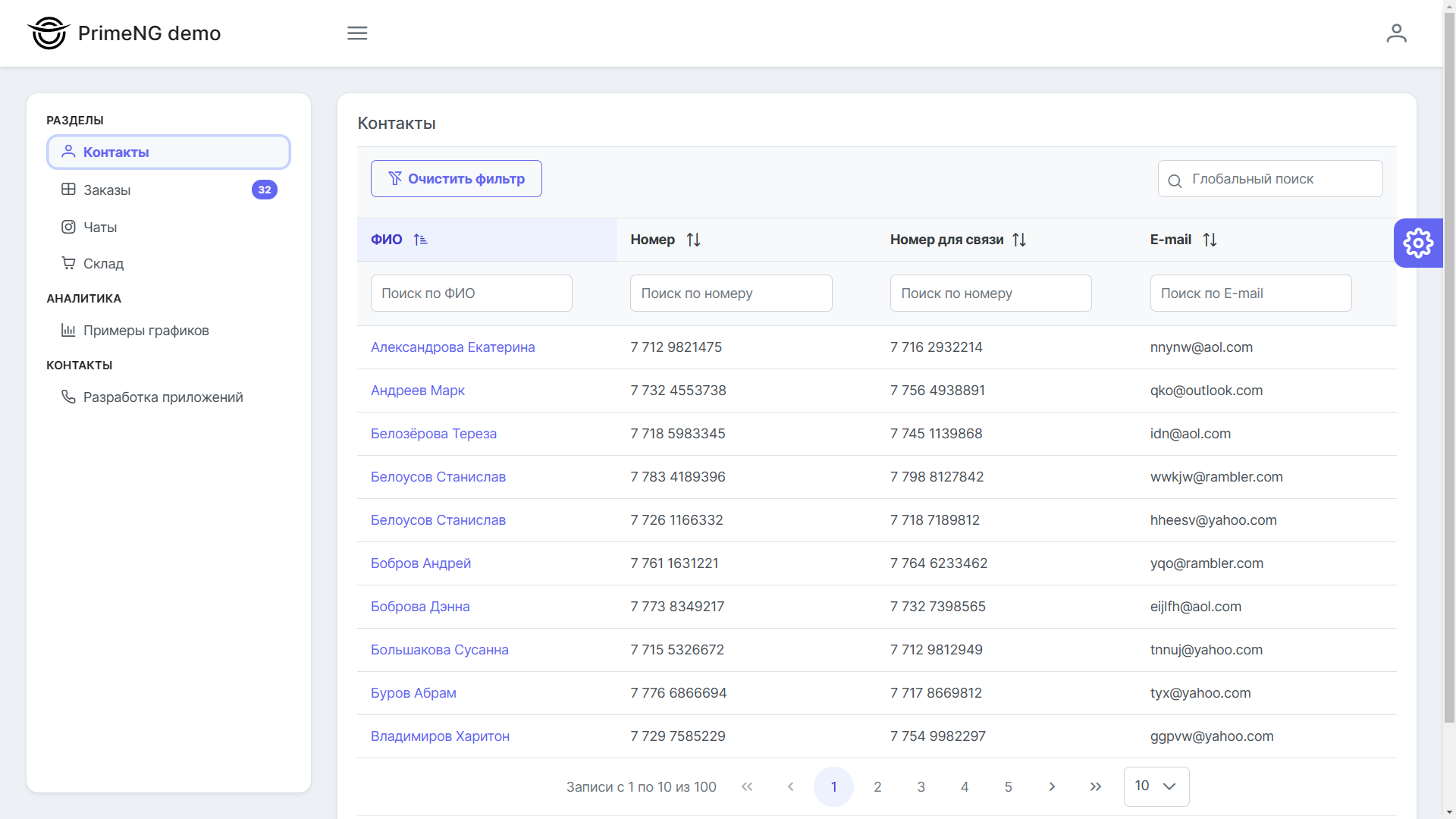
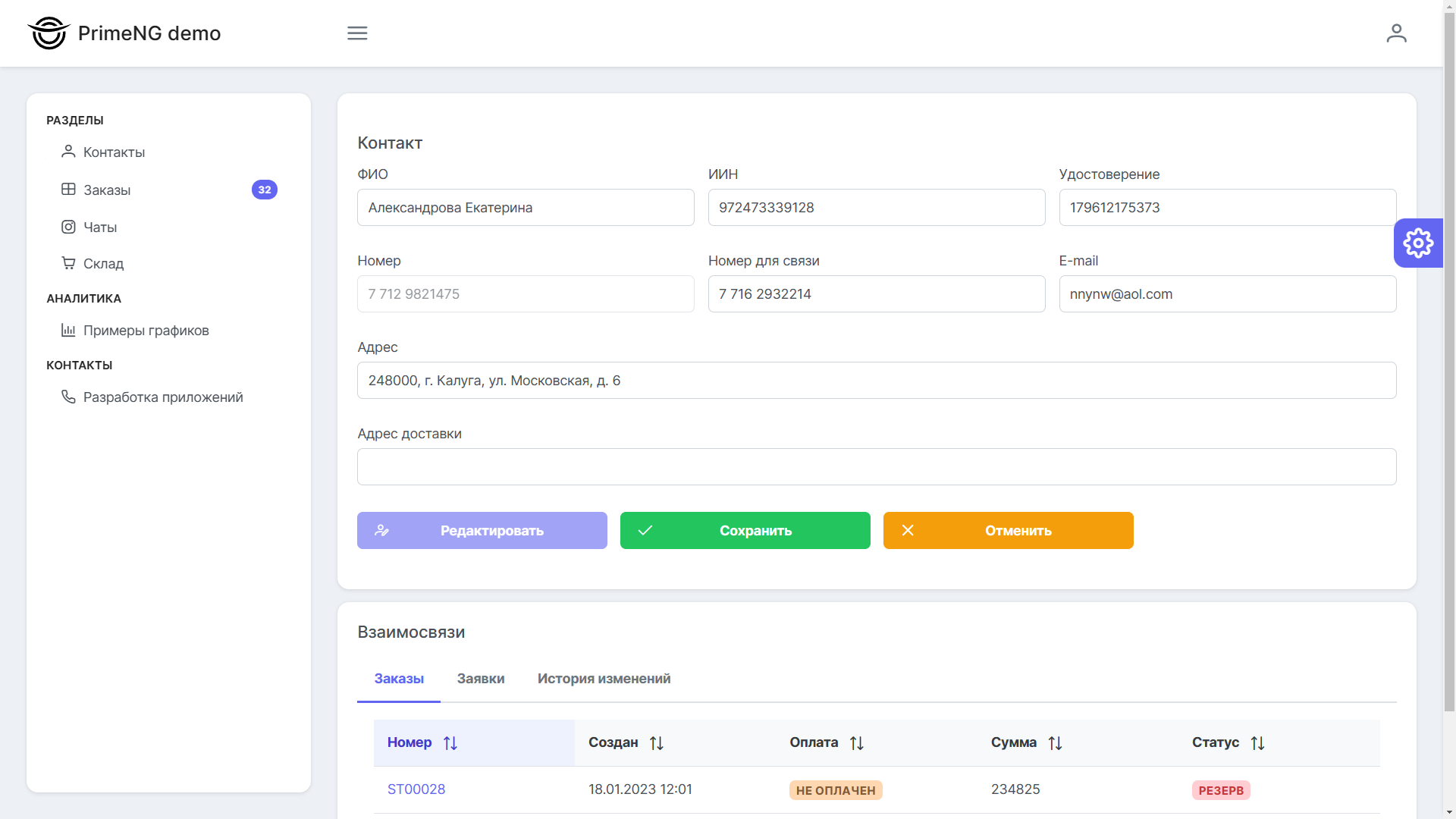
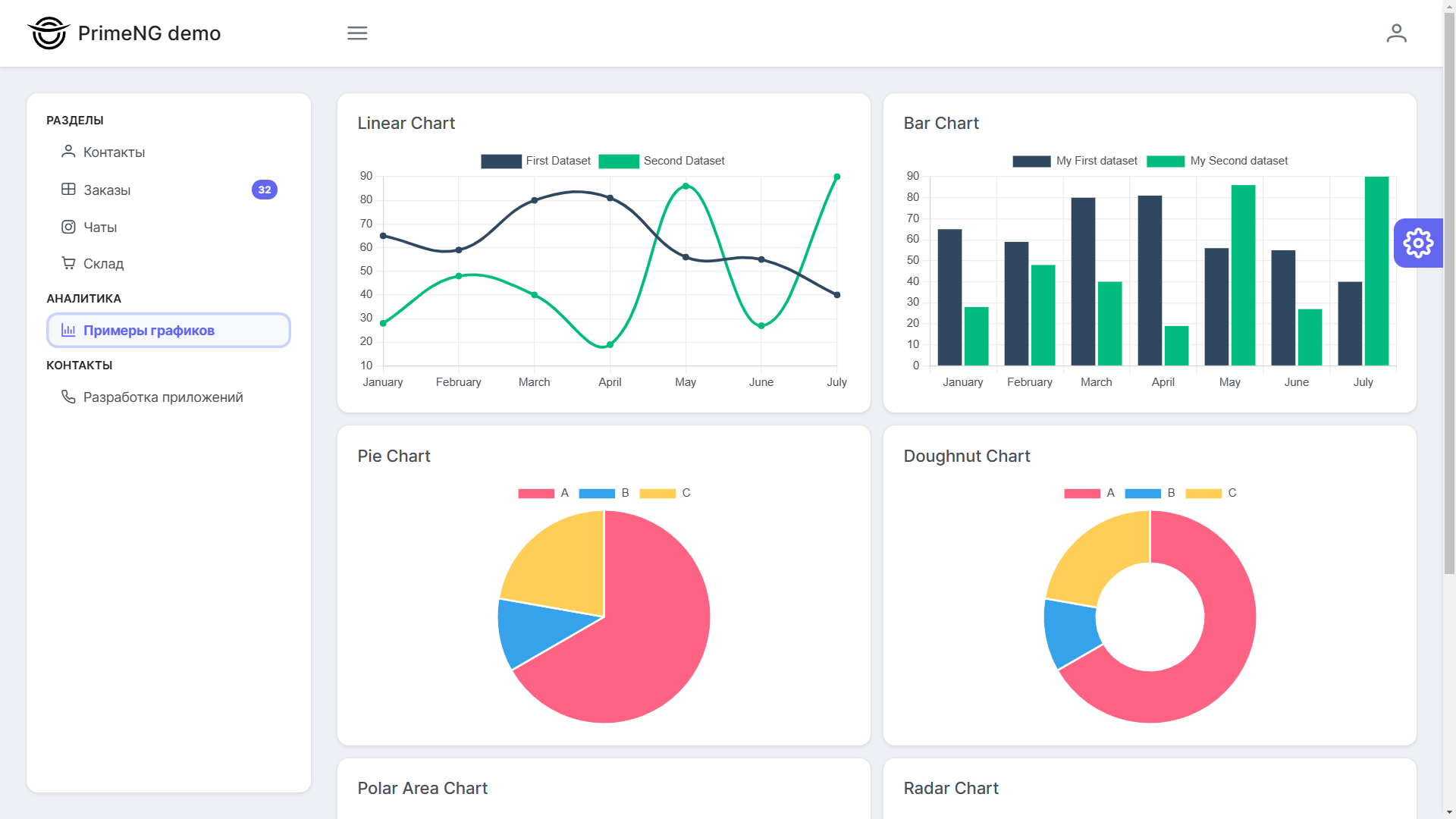
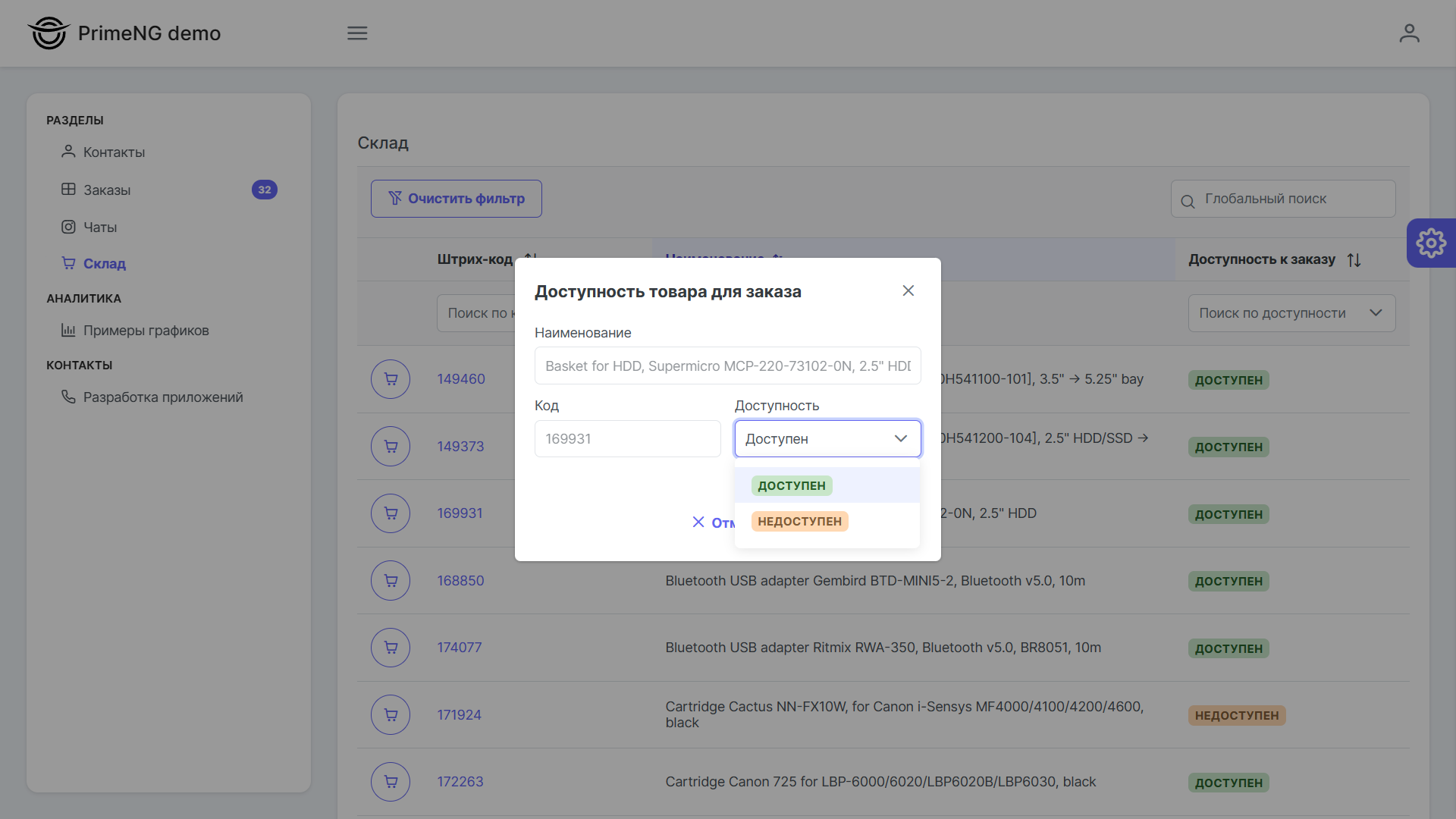
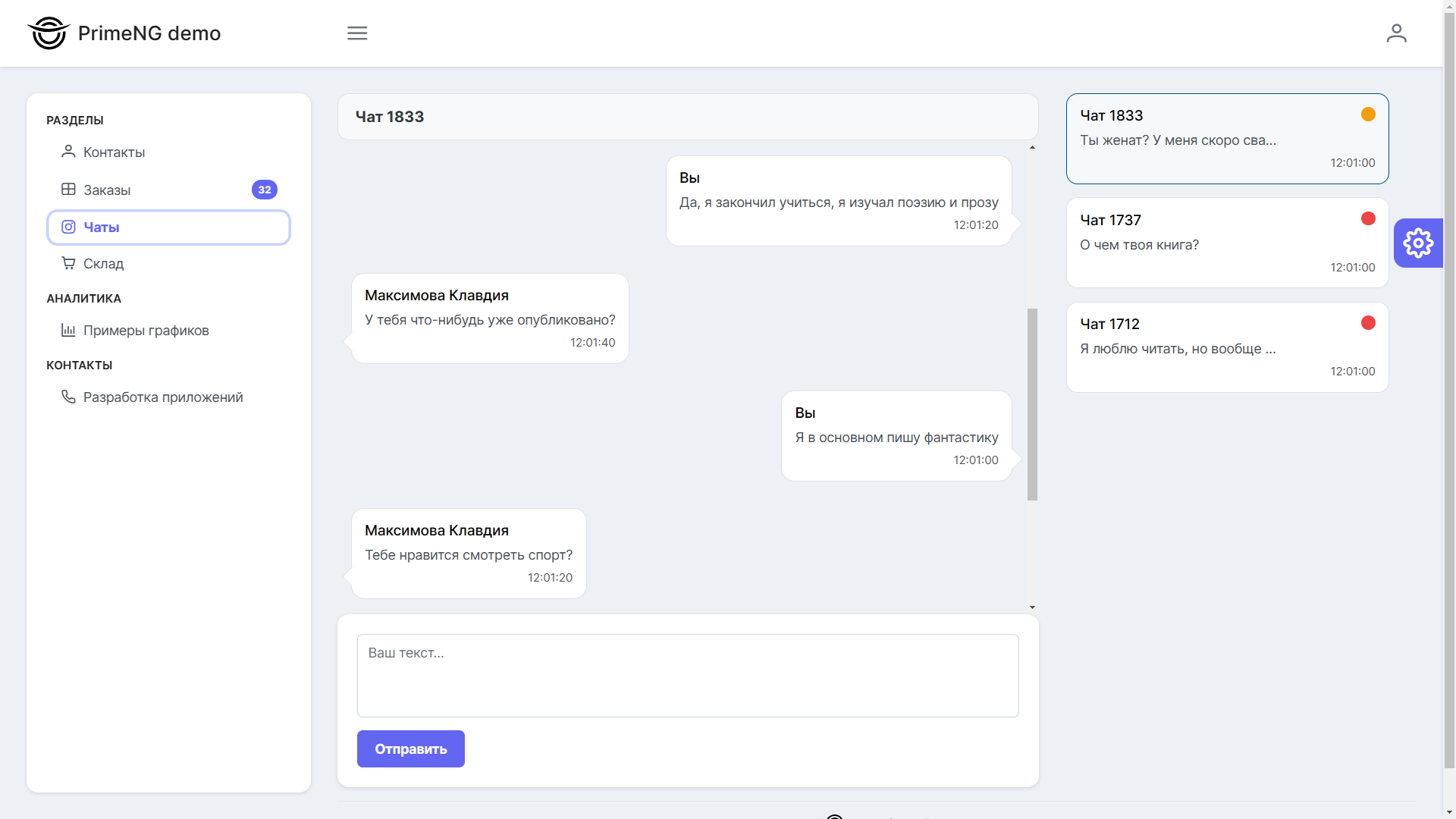
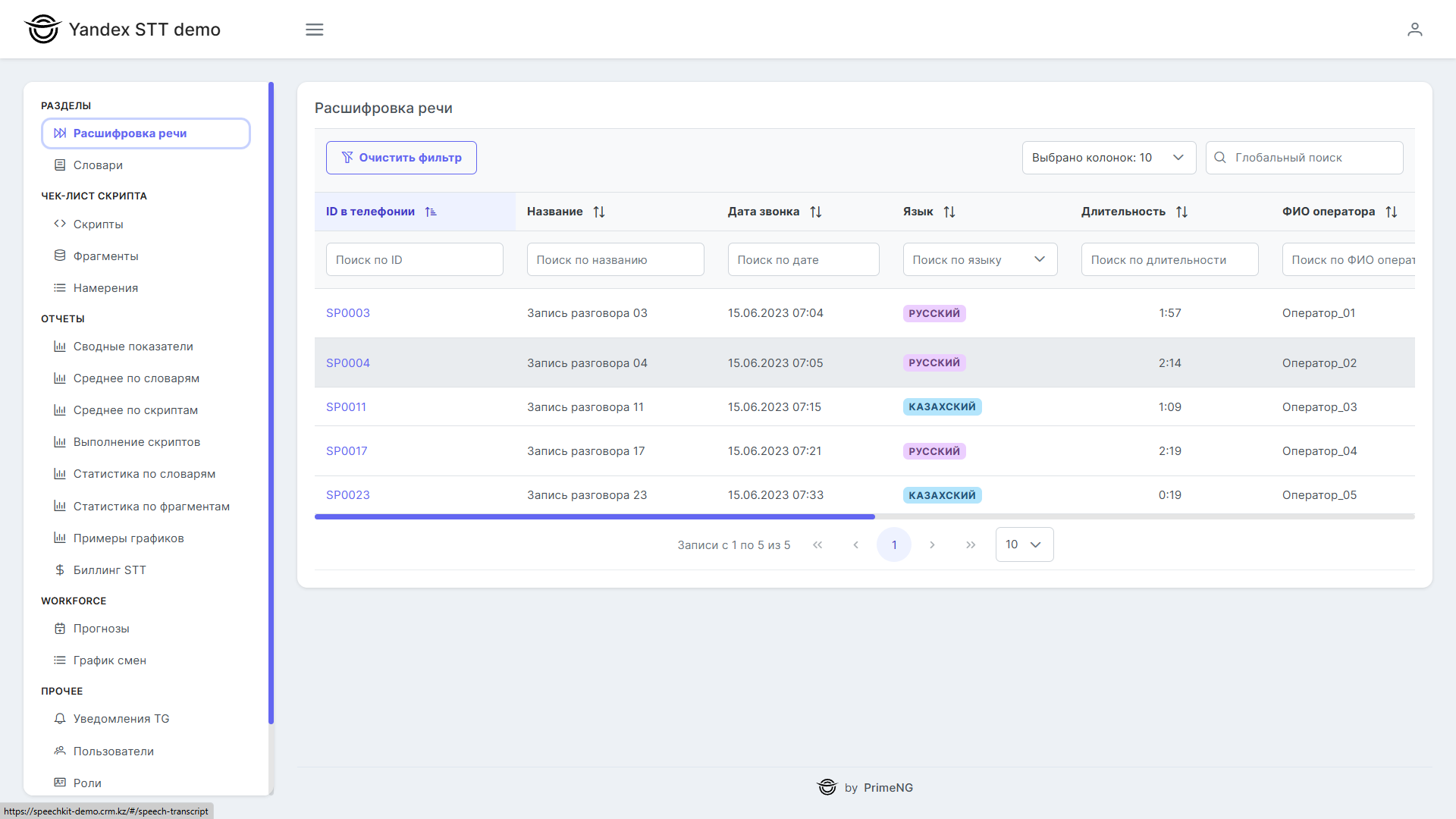
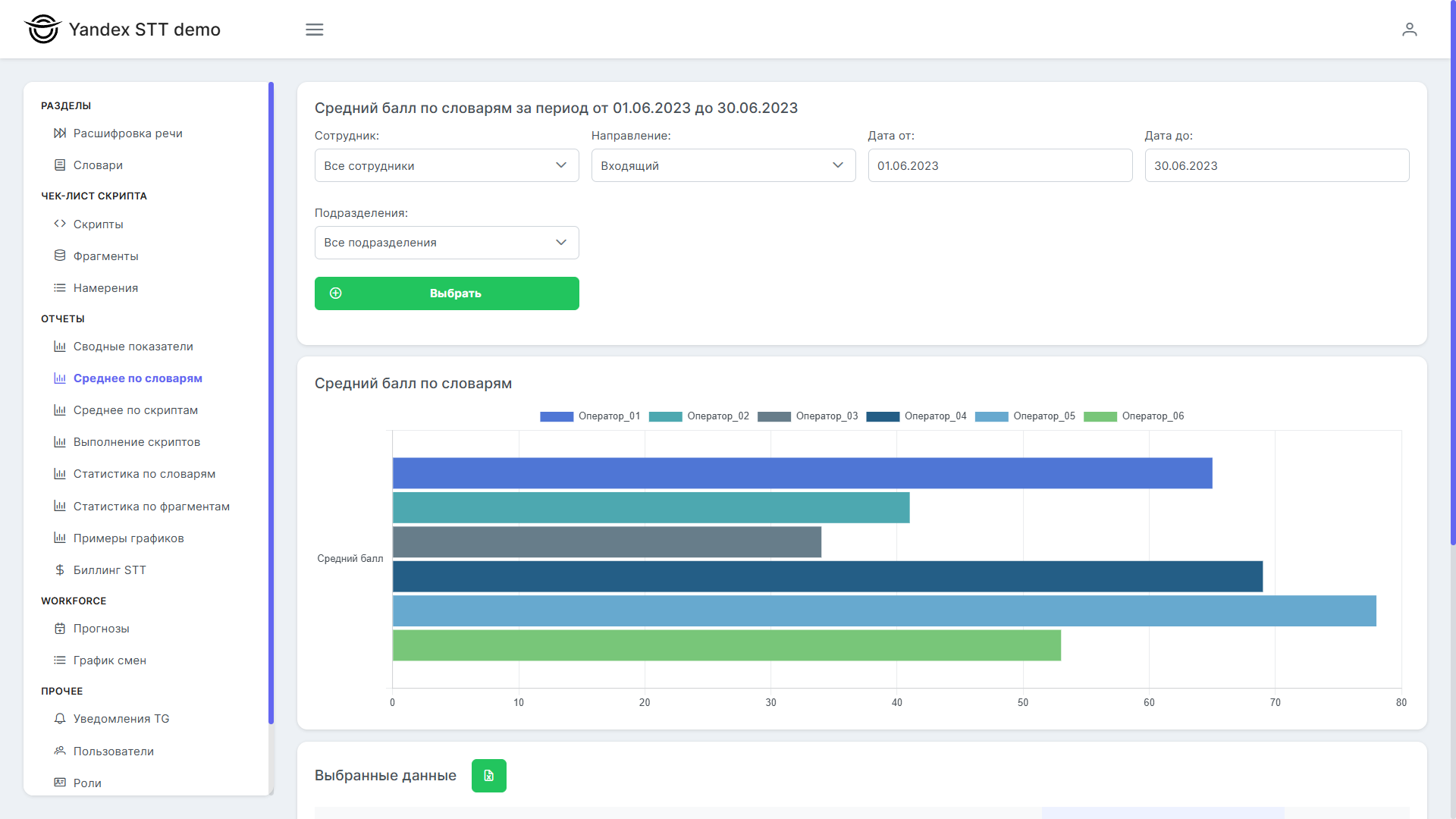
Angular Application Interface Examples


Angular offers rich UI element libraries—ranging from icons and buttons to complex navigation menus, data tables, and dashboard components.

Our Proprietary Solutions


OUR PRODUCTS — iChat

Sanatel's proprietary iChat platform aggregates customer messaging from social networks and chat apps into a single omnichannel operator workspace, preserving complete chat history within client CRM cards.

The application also supports configuring automated, rule-based chatbots to handle routine inquiries. 

iChat integrates seamlessly with major messaging channels, including WhatsApp (via Infobip) and embeddable live chat web widgets. 

OUR PRODUCTS — Speech Analytics


Sanatel Speech Analytics enables 100% automated auditing of call center and sales department phone conversations. The system automatically evaluates call scripts, compliance standards, operator performance, and customer churn drivers. It integrates natively with Large Language Models (ChatGPT / LLM) for deep semantic text analysis.

Deployable on-premise or in the cloud, Speech Analytics integrates directly with your telephony system to transcribe speech to text, generate performance reports, calculate operator ratings, and build department-wide analytics dashboards.


Contacts

Dostyk Ave 180, Koktem Towers, Office 200, Almaty, Kazakhstan